The Important Duty of a Stainless-steel Table in Developing a Reliable Kitchen Area
In contemporary kitchen areas, the stainless-steel table works as a keystone for efficiency. Its durability and sanitary homes make it appropriate for various culinary jobs. This functional surface area boosts operations by promoting organization and maximizing room. As kitchen areas develop, the role of stainless steel continues to adapt, mixing functionality with visual appeals - Stainless Steel Table. Recognizing its impact discloses much more about just how it transforms cooking settings and supports culinary creative thinking
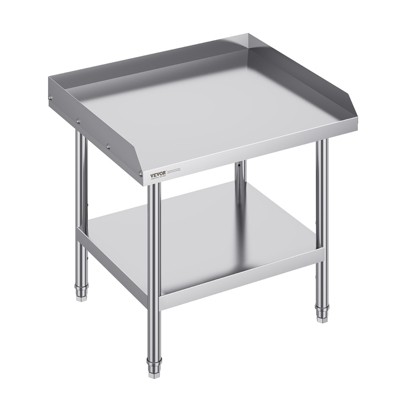
Toughness and Longevity: Why Stainless-steel Tables Stand the Examination of Time
Stainless steel tables are renowned for their impressive sturdiness and durability. Constructed from top quality products, they resist discoloration, deterioration, and corrosion, making them optimal for the demanding environment of a cooking area. Unlike timber or plastic, stainless steel does not warp or crack, making sure a secure surface area for cooking and various other jobs.
These tables can withstand extreme temperature levels, from warm pots to cold active ingredients, without compromising structural integrity. Their non-porous surface area avoids bacteria and other pollutants from permeating, advertising a much safer cooking environment.
The ease of upkeep additional adds to their longevity; an easy clean down with soap and water is adequate for cleansing, maintaining their look over time. Companies and home cooking areas alike take advantage of the investment in stainless steel tables, as they continue to be functional and visually pleasing for years, standing the examination of time in both efficiency and style.
Adaptability being used: Adjusting to Numerous Kitchen Jobs
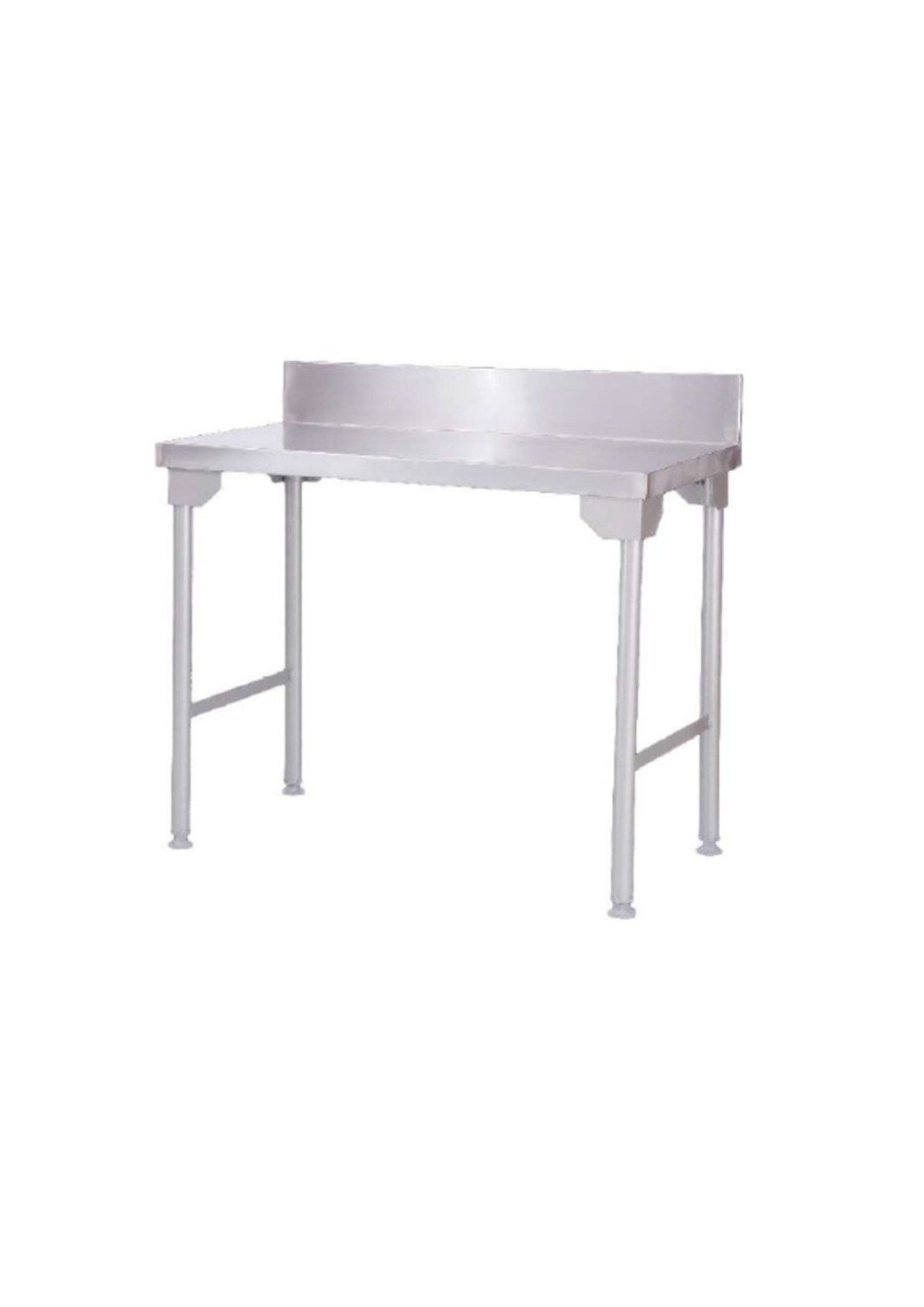
Adapting effortlessly to various cooking area jobs, stainless-steel tables work as multifunctional offices crucial for both expert chefs and home cooks. Their durable surface area accommodates a vast array of activities, from cutting veggies to rolling dough. This adaptability makes them ideal for meal preparation, enabling individuals to transition easily in between jobs without needing several surfaces.
Furthermore, the smooth, level layout makes it possible for easy cleaning and maintenance, making certain that food prep can occur without limitation. Whether made use of for assembling ingredients, plating dishes, or even as a short-term storage location for kitchen tools, stainless steel tables improve operations effectiveness. Their versatility reaches different cooking area designs, suitable conveniently in both small spaces and extensive business cooking areas. With the capacity to sustain heavy tools or work as a simple workstation, stainless-steel tables are crucial, accommodating the varied needs of cooking professionals and fanatics alike.
Health and Security: Preserving a Tidy Work Area
Keeping hygiene and security in the kitchen work space is critical for cooking. Stainless steel tables supply a non-porous surface that stands up to germs and facilitates very easy cleaning, guaranteeing compliance with hygiene standards. Regular cleaning treatments help promote a secure setting for culinary tasks.
Non-porous Surface Area Advantages
A non-porous surface area is vital for advertising health and safety in a kitchen area office. Stainless-steel tables, with their non-porous nature, prevent the absorption of fluids, germs, and food fragments, significantly reducing the threat of cross-contamination. This characteristic is especially crucial in settings that call for stringent food safety requirements. Unlike permeable materials, stainless-steel does not harbor harmful microorganisms, making it an optimal choice for cooking locations. Furthermore, the impermeable surface is resistant to mold and mold, further enhancing the safety of the workspace. By ensuring that contaminants do not penetrate the surface area, stainless-steel tables add to a more secure cooking atmosphere, inevitably supporting the wellness of both food trainers and consumers.
Easy Cleaning Procedures
Efficient cleansing procedures are essential for making sure hygiene and security in a kitchen area workspace. Stainless-steel tables, as a result of their smooth and non-porous surfaces, facilitate simple cleaning. An easy regular entailing warm water and moderate cleaning agent is typically adequate to get rid of food residues and discolorations. For more persistent grime, a diluted vinegar solution can be employed, utilizing its natural anti-bacterial properties. Normal cleansing not only protects against contamination but also reduces the danger of cross-contamination in between raw and cooked foods. Furthermore, the sturdiness of stainless-steel endures constant cleaning without degrading, preserving a sanitary environment. By executing these uncomplicated cleansing approaches, kitchen area team can make sure a risk-free work area, promoting overall performance and health criteria in cooking.
Cleanliness Conformity Requirements
While the presence of stainless-steel tables in a kitchen workspace boosts cleanliness, adherence to sanitation conformity criteria continues to be crucial for making certain health and safety and security. Stainless-steel surfaces are non-porous, reducing the danger of bacterial development, but they have to be on a regular basis sanitized to fulfill wellness guidelines. Conformity with regional health codes requires appropriate cleansing treatments, including using accepted sanitizing agents and constant assessments of work spaces. Staff training on food safety methods is important to maintain these standards. Regular tracking of temperatures and appropriate food storage space also play crucial duties in supporting cleanliness compliance. Inevitably, a stainless-steel table not just assists in tidiness yet also supports a cooking area's commitment to extensive health and security protocols.
Enhancing Operations: The Effect of Company on Food Preparation Effectiveness
Organization plays a crucial function in enhancing process within the kitchen, as it directly influences cooking efficiency. An efficient kitchen area enables chefs and home chefs to situate components and tools rapidly, minimizing unnecessary movements and time invested browsing for products. By systematically setting up utensils, cooking equipment, and ingredients, the kitchen area comes to be a structured atmosphere where tasks can be done promptly.
Using assigned zones for details activities-- such as food preparation, plating, and preparation-- more advertises efficiency. Each area can be furnished with essential tools and ingredients, lessening the requirement to cross the workspace needlessly. Additionally, labeling storage space locations and using transparent containers can help in preserving order and access.
In significance, the organization changes the kitchen right into a useful area where cooking jobs can be implemented with precision and speed, inevitably leading to boosted food preparation end results and a more satisfying cooking experience.
Room Optimization: Optimizing Your Cooking Area Layout With Stainless-steel
In modern cooking areas, enhancing area is essential for both functionality and aesthetic appeals. A stainless steel table supplies a flexible job surface that can adjust to various culinary tasks while preserving a smooth look. Its space-saving style permits for efficient usage of restricted kitchen locations, boosting overall process.
Flexible Job Surface
The stainless-steel table works as a flexible work surface area see this that improves cooking area efficiency and format. Its smooth, sturdy surface area helps with a variety of jobs, from cooking to plating and serving. The non-porous product resists spots and germs, ensuring a hygienic setting for cooking. Furthermore, the reflective quality of stainless-steel can lighten up the cooking area space, creating an inviting atmosphere. Its durable design accommodates heavy equipment, such as mixers and mixer, while likewise supplying sufficient space for cutting boards and tools. This versatility enables seamless shifts between tasks, ultimately simplifying workflow. By streamlining numerous functions in one location, the stainless-steel table makes the most of productivity, making it an important aspect in any kind of kitchen area setup.
Space-Saving Design
Making best use of readily available space is a vital consideration in any type of kitchen style, and stainless-steel tables master this respect. Their streamlined, streamlined accounts enable reliable use of both little and big kitchens. Unlike traditional wooden tables, stainless steel options can be created to fit comfortably into edges or against wall surfaces, releasing up valuable flooring room. Furthermore, many stainless-steel tables include extra storage functions such as cabinets or racks, boosting organization without needing added area. The product's durability additionally indicates that these tables can endure hefty usage while maintaining a refined look. By integrating a stainless steel table, house owners can boost functionality and aesthetics, creating a much more effective work area tailored to their certain cooking needs.
Visual Charm: The Modern Appearance of Stainless-steel in Culinary Spaces
Stainless-steel surface areas exude a streamlined, contemporary beauty that enhances the visual of any culinary space. Their polished luster and reflective top quality produce an illusion of better visibility, making kitchen areas appear larger and a lot more inviting. This contemporary product perfectly incorporates with various layout components, from minimal to industrial designs, supplying versatility in décor.
Furthermore, the neutral tone of stainless-steel complements lively colors and materials, permitting chefs to showcase their cooking developments properly. Its capability to stand up to spots and keep a tidy look includes in the total aesthetic appeal, making sure that the cooking area stays a centerpiece of the home.
As the trend toward open-concept living continues, the existence of stainless-steel tables not only offers functional functions but additionally raises the cooking area's visual, making it an advanced gathering room for family and buddies. This blend of capability and design underscores the essential function of stainless steel in contemporary culinary environments.
Regularly Asked Questions
Can Stainless Steel Tables Be Personalized for Details Kitchen Sizes?
Yes, stainless steel tables can be tailored to fit details kitchen area sizes - Stainless Steel Table. Makers usually supply different measurements and setups, enabling for tailored services that improve functionality and make the most of room in varied kitchen settings
What Are the Weight Boundaries for Stainless Steel Tables?
Weight limitations for stainless steel tables usually range from 500 to 2,000 extra pounds, depending upon building and style. It's important to check producer specs to make sure safety and suitability for designated usage.
Are There Various Grades of Stainless Steel for Tables?
Yes, there are various qualities of stainless steel for tables, frequently including 304 and 316. Quality 304 is extensively utilized for its basic resistance, while 316 offers boosted deterioration resistance, particularly in harsher atmospheres.
Exactly how Do I Correctly Look After My Stainless Steel Table?
To correctly look after a look at here now stainless-steel table, one must frequently clean it with moderate cleaning agent and warm water, prevent unpleasant products, and use a food-safe polish to keep its shine and resistance to discolorations.
Is It Safe to Make Use Of Stainless Steel Tables for Cooking?
Yes, stainless-steel tables are safe for food preparation. They are non-porous, simple to clean, and resistant to germs development, making them an excellent option for keeping hygiene in numerous food handling environments.
Adapting seamlessly to numerous cooking area tasks, stainless steel tables serve as multifunctional work areas necessary for both professional cooks and home cooks. While the existence of stainless steel tables in a kitchen workspace enhances sanitation, adherence to cleanliness conformity criteria continues to be necessary for ensuring health and safety and security. The stainless steel table serves as a flexible work surface area that boosts kitchen efficiency and design. Making the most of readily available area is a key factor to consider in any type of kitchen area layout, and stainless steel tables succeed in this regard. As the fad towards open-concept living continues, the existence of stainless steel tables not only serves useful objectives yet likewise boosts the kitchen see here area's aesthetic, making it an advanced gathering area for family members and buddies.
Comments on “Why Every Restaurant Kitchen Should Have a Stainless Steel Table Installed”